launching lightning-fast restaurant online ordering and delivery web applications for local food entrepreneurs
· VegaDigi Journal
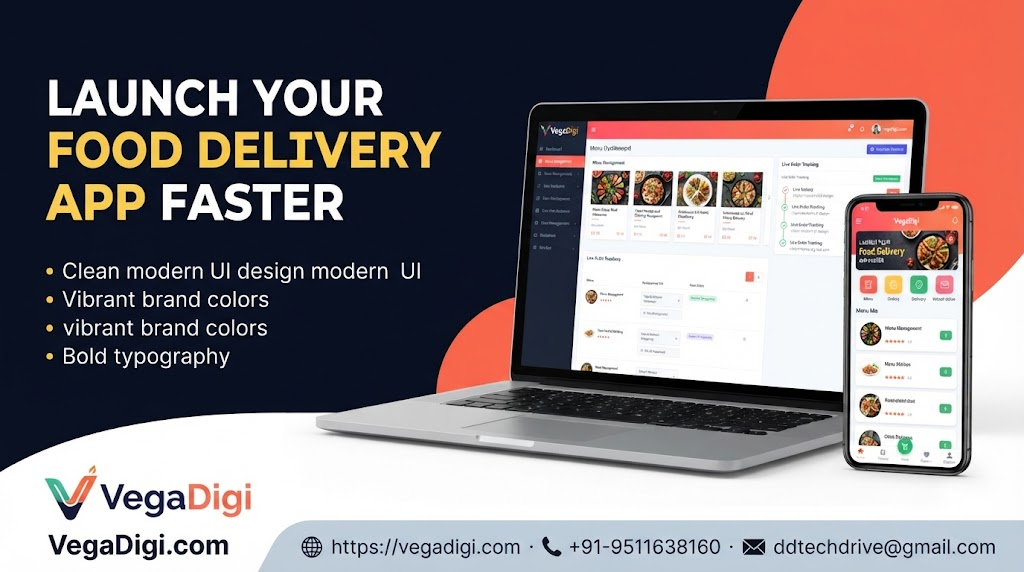
Launching a local food delivery service or restaurant ordering platform used to mean months of backend development, database design and frontend work. For independent entrepreneurs and digital agencies, writing core ordering logic from scratch is often an unnecessary bottleneck. Starting from production-ready source code is a practical way to enter the food tech space and test an idea quickly.
Why building food ordering platforms from scratch slows you down
Authentication, cart management, payment integration and order tracking take weeks before you even test your core business idea. Most restaurant owners and customers do not care how custom the underlying code is; they care that the menu loads fast, checkout works and orders arrive on time.
Leveraging ready-made restaurant scripts
A well-built restaurant ordering script gives you a foundation with restaurant panels, customer ordering screens and delivery staff management already in place. Developers can customise the PHP or Node backend to fit local requirements without reinventing standard features.
Key modules to look for in a food delivery script
- Restaurant dashboard: accept or reject orders, set preparation times, mark items out of stock.
- Menu and category management: variants (half/full), add-ons, images and availability by time of day.
- Mobile-friendly checkout: most food orders happen on phones, so test the checkout on a low-end Android device.
- Order status updates: confirmed, preparing, out for delivery, delivered, with notifications.
- Delivery management: assigning orders to riders and tracking delivery status.
- Payments: support for UPI and common Indian payment gateways, plus cash on delivery if your market expects it.
- Admin reports: orders, revenue by restaurant and commission calculations if you run a marketplace.
What "lightning-fast" really requires
Speed comes from the setup as much as the code:
- Compress and resize menu images, and serve them in modern formats like WebP.
- Use caching for menus that do not change minute to minute.
- Host close to your users and use a CDN for static files.
- Keep third-party scripts to a minimum on ordering pages.
Compliance basics for food businesses in India
Restaurants on your platform need valid FSSAI registration or licence, and food businesses are expected to display their FSSAI number. Plan for GST on invoices and a clear refund and cancellation policy. Take professional advice on tax and legal structure for a marketplace model.
A lean launch plan
1. Pick one neighbourhood and a handful of partner restaurants.
2. Customise branding, colours and copy; keep features standard at first.
3. Run test orders end to end, including payment failures and cancellations.
4. Launch, gather feedback for a few weeks and only then build custom features.
My take on launching food tech startups
If you have a limited budget and want to validate local demand quickly, do not spend months custom-coding boilerplate. Choose a reliable, tested restaurant ordering script from VegaDigi, customise it to your brand and focus on onboarding local eateries.
Questions to ask before buying a script
Ask whether the listing includes a working demo for the customer, restaurant and admin sides; which payment gateways are already integrated; whether push notifications or SMS are configured; what server requirements apply; and how updates and support are provided. Try placing a demo order yourself on a phone. A few minutes of testing will tell you more than any feature list, and it helps you write a precise brief for your developer.
Frequently asked questions
Do I need a separate app for delivery riders?
Many scripts include a rider panel or app. Check the listing to see which modules are included.
Can one script handle multiple restaurants?
Marketplace-style scripts support many restaurants; single-restaurant scripts are simpler. Choose based on your business model.
What do restaurants need before joining?
At minimum, a valid FSSAI registration or licence and accurate menu and pricing information.
About this guide: written by the VegaDigi editorial team, reviewed and updated October 2026. General information, not legal or tax advice.
🌐 https://vegadigi.com · 📞 +91-9511638160 · 📧 ddtechdrive@gmail.com