Mobile-first micro-SaaS templates for solo founders targeting localized gig economies
· VegaDigi Journal
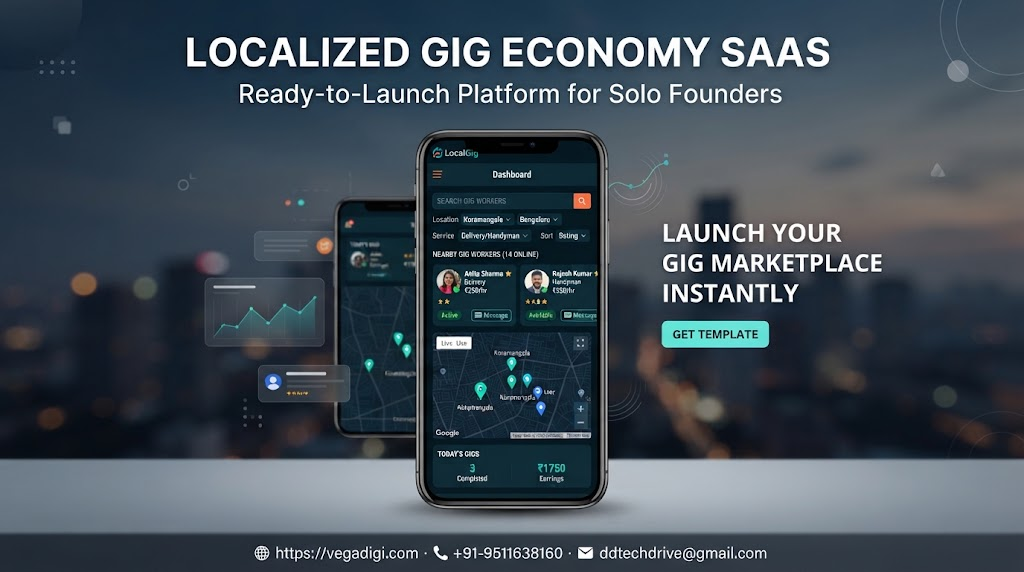
Launching a Localized Service App Without Starting from Scratch
Building a niche software product as a solo founder often means staring at an empty repository for weeks. When your goal is to validate a local gig-economy idea quickly, such as home services, tutoring, local deliveries or freelance bookings, spending months on authentication, profiles and booking dashboards delays the customer feedback you need most. That is why many founders start from pre-built application foundations.
The real cost of custom-coding everything
Writing every layer of a mobile-first service yourself creates technical debt early. Hours go into database schemas, payment gateways and notification hooks before you know whether anyone wants the product. Starting from established source code lets you skip routine setup and focus on what is unique about your service.
Why mobile-first matters for local gig apps
Both sides of a local marketplace, the customers and the service providers, mostly use smartphones, often mid-range Android devices on mobile data. A mobile-first template should therefore:
- Load quickly on slower connections.
- Use large, simple buttons and short forms.
- Support local languages if your audience needs them.
- Work with WhatsApp or SMS for important notifications, since not everyone checks email.
- Accept UPI payments, which are widely used in India.
What to look for in mobile app source code
Modularity matters more than visual polish. Look for:
- Clean folder structures and readable code.
- Documented APIs between the app and the backend.
- An admin panel to manage users, providers, bookings and payouts.
- Provider onboarding with document upload and verification steps.
- Ratings or feedback built into the booking flow (you collect real ones from real users).
- A stack your developer is comfortable with, for example a PHP backend with an Android app, or a cross-platform framework.
A micro-SaaS validation plan
1. Define one service and one area. For example, appliance repair in one city zone.
2. Customise the minimum. Branding, categories, pricing rules and copy.
3. Onboard a few providers manually. Verify them yourself.
4. Get real bookings. Even a small number of completed jobs teaches you more than months of building.
5. Add features only from feedback. Build what users repeatedly ask for.
Legal and trust basics
Have clear terms of service, a privacy policy and a cancellation and refund policy. Check whether your providers need registrations for the services they offer, and take professional advice on GST and marketplace responsibilities.
Fast-tracking your launch with VegaDigi
VegaDigi offers developers and startups a selection of source code, scripts and mobile app templates designed to shorten the initial development phase. Instead of rebuilding standard components, you can start from tested modules and adapt them to your brand.
My take on building lean
If you have a tight runway and want to test a service marketplace idea quickly, buying clean, documented source code usually beats writing everything solo. Spend your time on the user experience and on winning your first customers, not on debugging basic login screens.
Measuring whether the idea works
Decide in advance what success looks like for the first few weeks: for example, how many bookings are completed, how many customers book a second time, and how many providers stay active. Track these simple numbers weekly. If repeat bookings grow, the idea has traction; if not, talk to users to learn why before writing more code.
Frequently asked questions
Can I launch with just a web app?
Yes. A mobile-friendly web app or PWA is often enough to validate demand before investing in store apps.
How do I keep updates manageable after customising?
Commit the original source to a private Git repository before editing, and keep your changes on a separate branch.
Do templates include payment integration?
Many do; check the listing for supported gateways and test in sandbox mode before going live.
About this guide: written by the VegaDigi editorial team, reviewed and updated October 2026. General information, not legal or tax advice. Explore ready-made software at https://vegadigi.com/
🌐 https://vegadigi.com · 📞 +91-9511638160 · 📧 ddtechdrive@gmail.com