The Vertical SaaS Boom 2026: Why Niche, Industry-Specific Software Is Beating One-Size-Fits-All Tools
· VegaDigi Journal
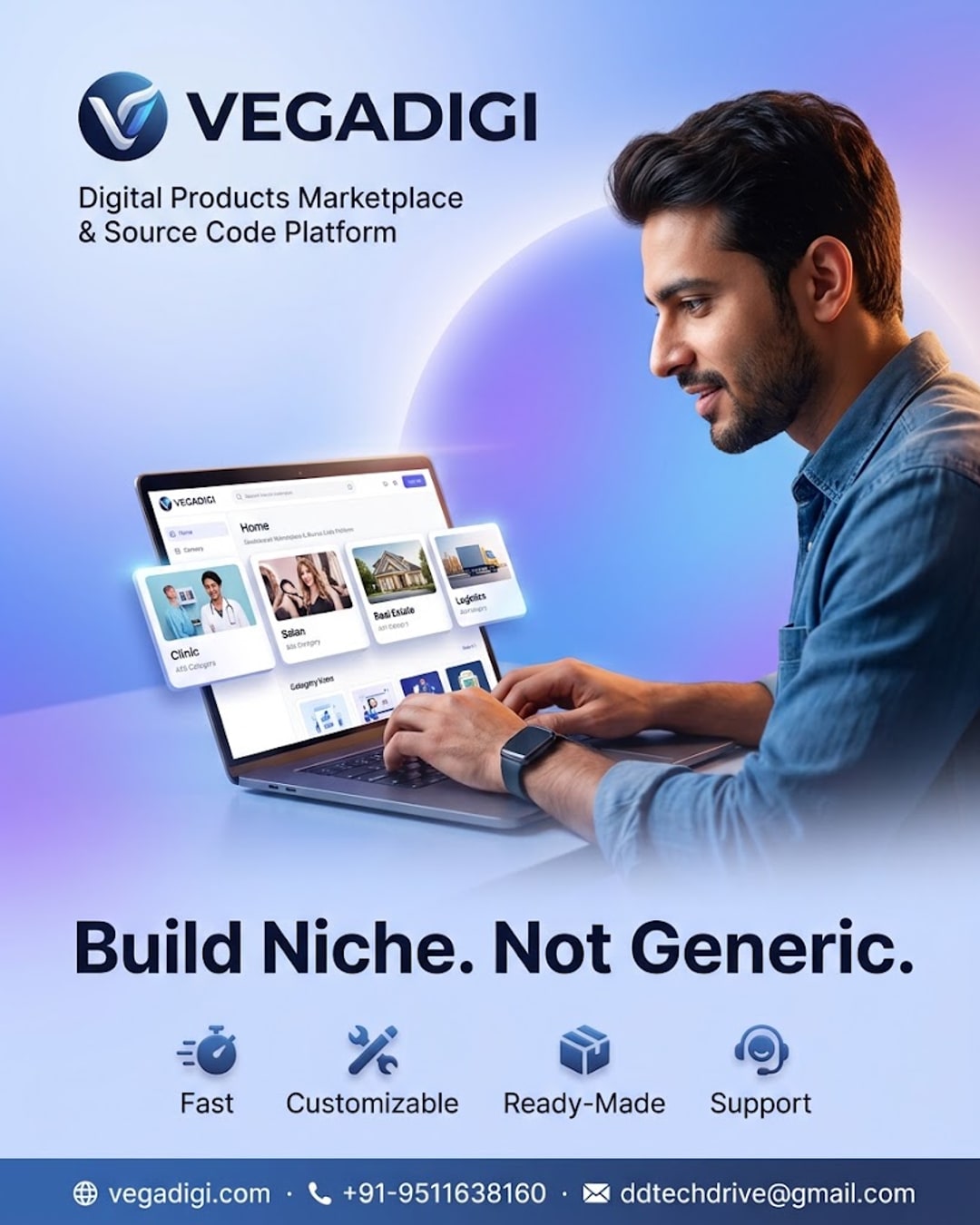
If you've noticed more software built specifically for one industry - a booking tool just for clinics, a CRM just for real estate agents, a dispatch system just for logistics - you're seeing one of the biggest shifts in software this year. Vertical SaaS is quietly outpacing generic, do-everything platforms, and understanding why can help you build smarter.
What is vertical SaaS, really
Unlike horizontal software that tries to serve every business type, vertical SaaS is built around the specific workflows of one industry. A salon doesn't need a generic booking calendar - it needs staff scheduling, service add-ons, and repeat client tracking baked in. That specificity is exactly what's driving adoption in 2026.
Why generic tools are losing ground
Generic software forces businesses to bend their workflow around the tool instead of the other way around. Owners end up stacking plugins, spreadsheets, and workarounds just to make a one-size-fits-all product fit their day-to-day. Vertical SaaS removes that friction because the core logic already matches how the industry actually operates.
The build challenge founders face
Here's the catch: building a vertical SaaS product from scratch means designing industry-specific modules, testing them, and iterating - all before you even know if the idea has traction. That's a heavy lift for a solo founder, a small agency, or a developer testing a new niche.
Starting with a ready-made foundation
This is where a source-code marketplace like VegaDigi changes the equation. Instead of designing and coding every module for, say, a clinic appointment system or a property listing portal from zero, you can start with an existing script built for that category, customize it to match your branding and specific workflow, set it up on your hosting, and launch. You're not skipping the work of making it yours - but you're not starting from an empty screen either.
Who this matters most for
Agencies fielding niche client requests, developers who want to test a vertical idea without months of groundwork, and non-technical founders who have industry expertise but need development support all benefit from this approach. The domain knowledge is often the hard part - the codebase doesn't have to be.
My take
If you're exploring a vertical SaaS idea in 2026, don't spend your first three months on architecture and boilerplate. Browse a marketplace like VegaDigi for a script that's close to your category, check the live demo carefully, and be honest with yourself about the customization work still ahead. If a solid match exists, starting there will get you to a real, testable product far sooner than building every module from scratch - and that head start is often what separates an idea that ships from one that never leaves the notes app.